How to Reinvent Your Career When Your Passion Changes: A Practical Guide to Professional Growth
Reinventing your career when your passion changes requires the willingness to question an identity you have spent years building. Professionals can navigate career transitions more effectively by experimenting with new roles, developing transferable skills, and allowing their ambitions to evolve as they gain experience.
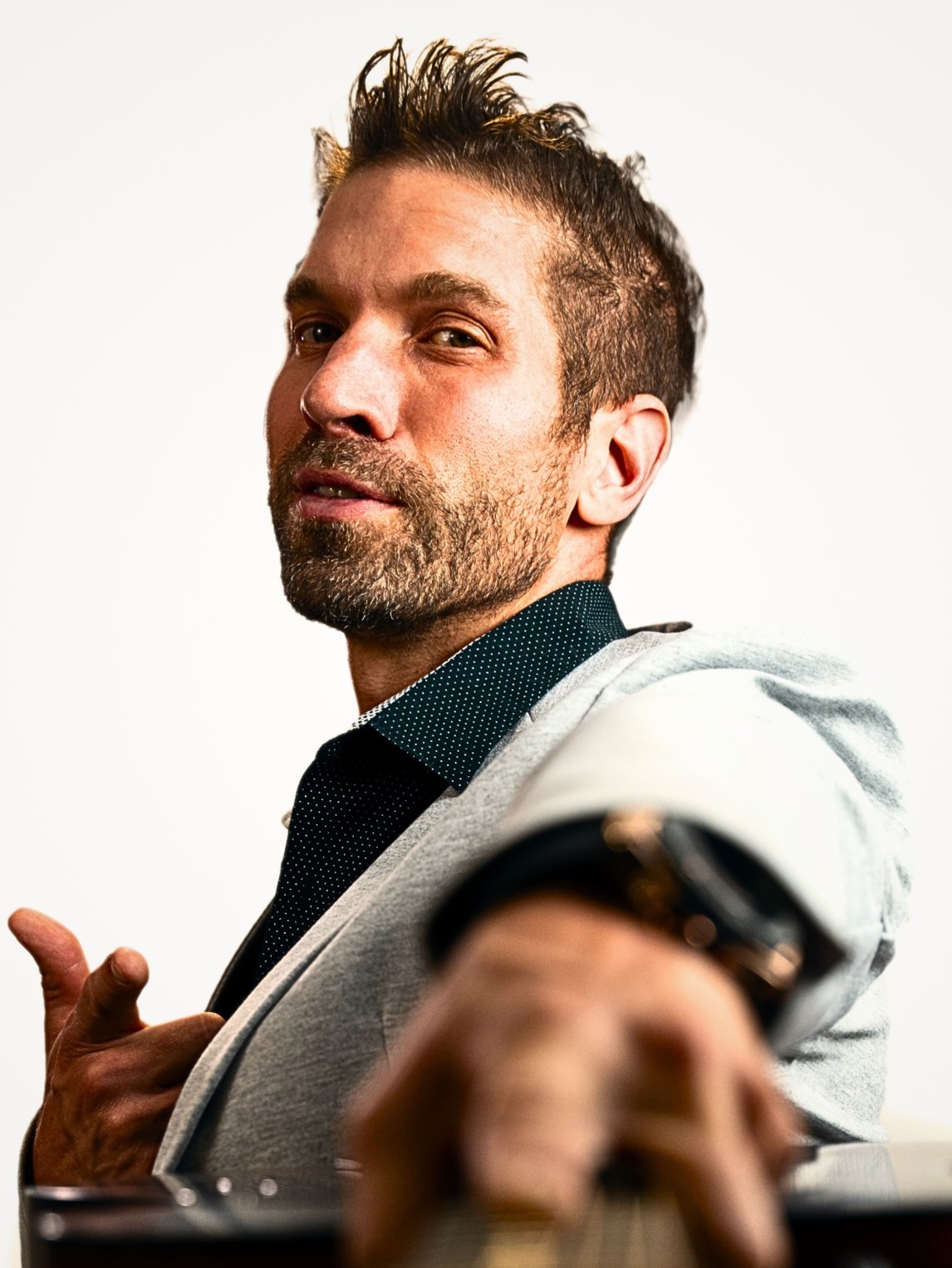
I learned this through music, comedy, and keynote speaking. As a kid, my dream was to become a rock star. I entered the music industry, performed, made money, and experienced parts of the career I had imagined for years. From the outside, things looked good. Internally, however, something had changed. The dream that once motivated me no longer represented what I wanted from my life.
That experience taught me an important lesson: the person who begins pursuing a dream may be very different from the person who eventually achieves it. Meaningful career growth sometimes requires more than acquiring new skills. It requires giving yourself permission to become someone new.
TLDR
- Career reinvention becomes necessary when your current professional identity no longer reflects your interests, values, or ambitions.
- Research shows that career transitions are complex processes involving identity, relationships, learning, and practical adjustment.
- Transferable skills from previous careers can provide a foundation for a new professional direction.
- Experimenting with new opportunities before making a major change can help you discover what genuinely motivates you.
- Professional growth requires accepting that your future ambitions may differ from the dreams that motivated your younger self.
Why Does Your Passion Change as You Get Older?
Your passion can change because your experiences, priorities, knowledge, and understanding of success evolve over time. A career that once represented freedom, achievement, or recognition may eventually stop providing the meaning you want from your work.
When I pursued country music, I was chasing a dream that had started when I was young. Achieving parts of that dream was rewarding, but the experience also revealed something important: wanting a career and wanting the daily reality of that career are two different things.
As a teenager, I imagined the destination. As an adult, I understood more about the journey. My interests had evolved, and I wanted to explore a different creative direction.
This is a familiar challenge in professional development. People often make early career decisions based on limited information about themselves and the world of work. Years of experience then change their understanding of what they value, what they do well, and what they want their lives to look like.
In Harvard Business Review, Herminia Ibarra explores why career transition is so hard, including the emotional challenges involved in moving away from an established professional identity. A career change can disrupt familiar routines, relationships, and the story we tell ourselves about who we are.
The dream that got you started does not have to dictate the person you become.
Recognizing this distinction can help you assess your career honestly. You can appreciate what an earlier ambition gave you while acknowledging that your next chapter may require a different direction.
How Does Professional Identity Affect Career Reinvention?
Professional identity influences career reinvention because people often associate their occupation with their sense of competence, status, belonging, and personal worth. Changing careers can therefore feel like losing part of yourself, even when the change is voluntary and potentially rewarding.
Consider how people introduce themselves. They might say, “I’m a lawyer,” “I’m an accountant,” or “I’m a musician.” Over time, the professional label can become shorthand for an entire identity. When the work stops fitting, changing direction can feel like admitting that the previous version of yourself was wrong.
But a career is a chapter in your life, not a permanent definition of your potential.
A review published in the Annual Review of Organizational Psychology and Organizational Behavior examines career transitions through the lens of professional identity, emphasizing the dynamic and often nonlinear nature of career change.
Research by Herminia Ibarra and colleagues, summarized in the Harvard Business Review article 5 Barriers to Career Change and How to Overcome Them, also explores the obstacles that make career transitions difficult. These include overthinking, uncertainty, and the challenge of moving beyond an established professional role.
The practical implication is that you do not need to have your next identity completely figured out before you begin exploring. You can start with curiosity, test new possibilities, and learn from the experience.
For me, moving into comedy allowed me to build on my experience as a musician while developing a new professional identity. I did not need to erase my past to move forward. I needed to recognize that my previous experience could support a different ambition.

How Can You Reinvent Your Career Without Starting From Scratch?
You can reinvent your career by identifying the skills, relationships, and experiences that transfer to your next direction. A successful transition often involves combining existing strengths with new capabilities rather than discarding everything you have already learned.
My background in music gave me experience performing in front of audiences, communicating through stories, managing a creative business, and handling the unpredictability of live events. Those skills became useful when I pursued comedy and later keynote speaking.
The subject changed, but many of the underlying capabilities remained valuable.
McKinsey’s research, Human Capital at Work: The Value of Experience, analyzed career histories and skills across millions of workers. It found that the average person switched roles every two to four years, depending on the country, and that observed role changes involved a median skill distance of 25% to 45%, depending on the country.
These findings suggest that career movement frequently involves applying existing capabilities in new contexts while developing additional skills.
Before making a transition, ask yourself three questions:
- What skills do I already possess? Identify your strengths in communication, leadership, problem-solving, sales, creativity, or technical work.
- Which parts of my current work still energize me? Separate the activities you enjoy from the job title or industry in which you perform them.
- What can I test before committing? Explore a side project, volunteer opportunity, short course, freelance assignment, or conversation with someone working in your desired field.
Harvard Business Review’s article What’s Stopping You from Reinventing Your Career? identifies traps such as overthinking, procrastination, and searching for a single perfect answer. Taking practical steps can help you learn what a new direction actually involves.
You do not have to throw away your experience to pursue a new ambition. You have to discover where that experience can take you next.
How Can You Know When It Is Time to Pursue a New Direction?
It may be time to pursue a new direction when your work consistently conflicts with your values, interests, or desired lifestyle, and when realistic changes within your current role no longer address the problem. A period of reflection and structured experimentation can help distinguish temporary frustration from a deeper desire for change.
Not every difficult season means you should leave your career. Sometimes the solution is a different employer, a new responsibility, better boundaries, or a change in working conditions. The important thing is to understand what is driving your dissatisfaction before making a major decision.
One useful approach is to test a possible future identity before committing to it. If you are considering entrepreneurship, speak with business owners and try a small project. If you are interested in teaching, look for an opportunity to mentor or deliver a workshop. If you want to enter a creative field, produce a sample of the work and seek informed feedback.
This approach turns an abstract question, “What should I do with my life?”, into a more manageable question: “What can I try next that will teach me something useful?”
A study published in Human Resource Management Review examined 242 publications on career transitions and identified multiple perspectives, including career stages, decision-making, adjustment, relationships, and identity. This body of research reinforces the idea that transitions involve more than a single decision.
Career change can also have financial, family, and emotional consequences. Build a realistic plan, assess the risks, and establish milestones that help you evaluate progress before making irreversible commitments.
Professional reinvention is a process of learning. You may discover that the new direction suits you perfectly, or you may find that you need to adjust your expectations. Either result gives you information that waiting and wondering cannot provide.
Frequently Asked Questions
Is it normal for your career passion to change?
Yes. Interests, values, priorities, and circumstances evolve throughout life, so a career that once felt fulfilling may eventually become less suitable. Changing direction can be a reasonable response to personal growth and new information about yourself.
How do you reinvent yourself professionally?
Start by identifying what you want from your next chapter and which existing skills can support it. Test possible directions through projects, training, conversations, or part-time work before committing to a major transition.
Should you leave a successful career if you no longer enjoy it?
Not necessarily. First determine whether the problem is your role, employer, industry, working conditions, or the career itself. Exploring alternatives and assessing financial responsibilities can help you make a more informed decision.
How do you overcome the fear of starting over?
Focus on transferable skills and small experiments rather than imagining that you must rebuild your entire life at once. Acknowledge what you have learned, identify what you still need to develop, and take manageable steps toward your next goal.
Can you change careers in your 40s or 50s?
Yes. Midcareer professionals can draw on accumulated experience, professional relationships, and practical knowledge when moving into a new field. A thoughtful transition plan can help balance the potential benefits of a change with financial and personal responsibilities.
Conclusion: What If Your Next Chapter Requires a Different Version of You?
Following your passion may require reinventing yourself more than once. The person who begins a career is shaped by different experiences, expectations, and ambitions than the person who has spent years developing expertise.
My childhood dream was to become a rock star. Music gave me experiences and skills I still value, but eventually I wanted to explore comedy and speaking. Accepting that change meant recognizing that my earlier ambition had served its purpose, even if it was no longer the destination I wanted.
You are allowed to appreciate the person you used to be without remaining that person forever. You can honour your past achievements while pursuing a future that better reflects who you are becoming.
The most important question is not whether your ambitions have changed. It is whether you are willing to respond to that change with curiosity, courage, and action.
If your organization is looking for a keynote speaker who helps audiences navigate change, build resilience, and take imperfect action, visit RoryGardiner.com to explore keynote presentations that combine comedy, music, and practical lessons for personal and professional growth.