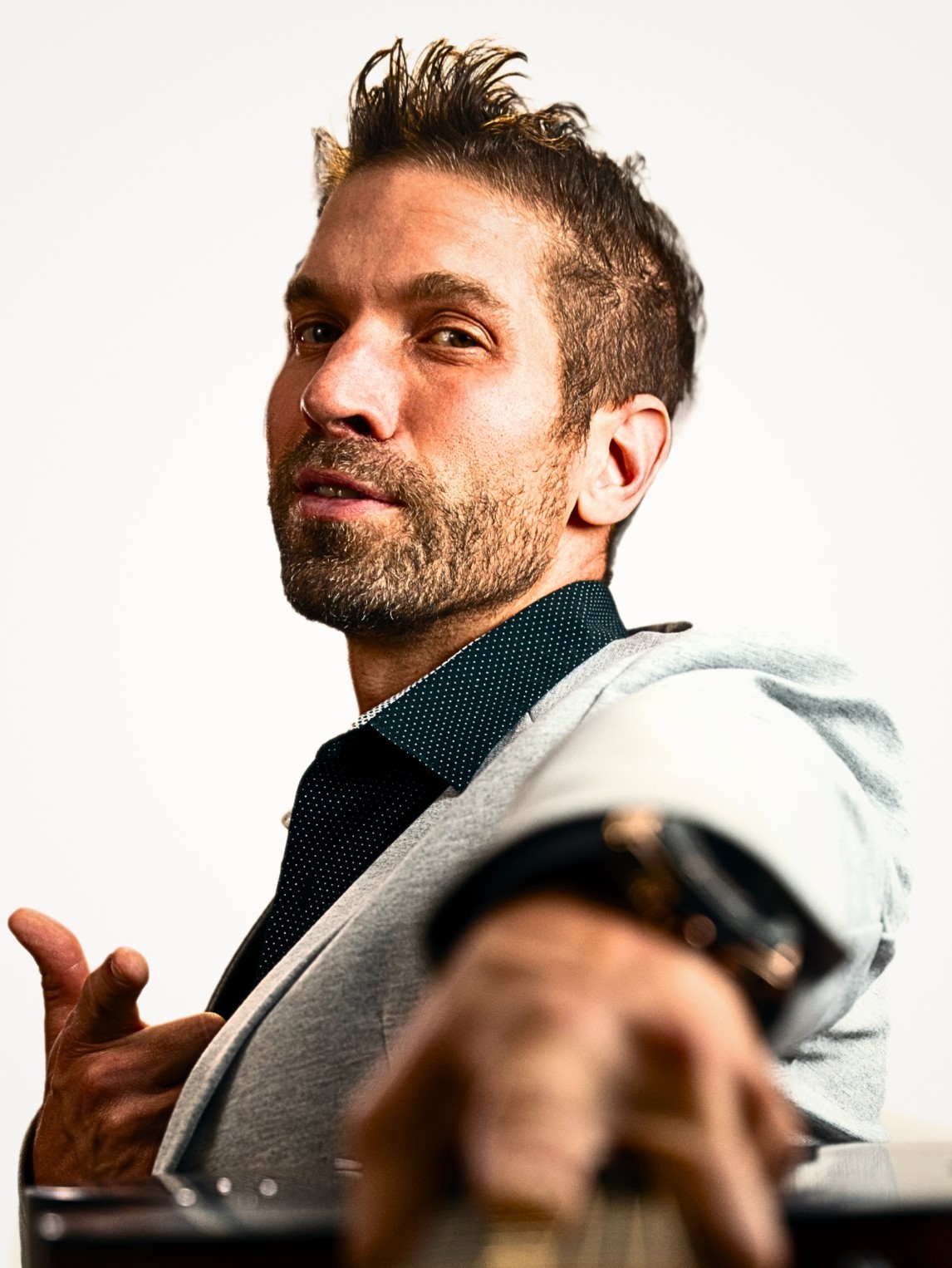
A professional event emcee does far more than introduce speakers. They manage the pace, energy, timing, and overall attendee experience from the opening welcome to the closing remarks. The right emcee makes your conference feel seamless. The wrong one makes every transition feel longer than it is.
Organizations routinely invest thousands of dollars in keynote speakers, audiovisual production, staging, catering, entertainment, and venue design. Yet one of the most influential people at the event is often selected almost as an afterthought.
The CEO volunteers.
The funniest salesperson gets nominated.
Someone who “crushed it at last year’s Christmas party” suddenly becomes the master of ceremonies.
Sometimes it works.
Often, it doesn’t.
Meeting planners know the difference because many have experienced both.
The audience may never remember the name of a great emcee.
They always remember an event that felt disorganized.
TLDR
- A professional emcee does much more than make announcements. They guide the entire attendee experience.
- Experienced emcees keep events on schedule, recover gracefully from unexpected challenges, and maintain audience energy throughout the day.
- The best emcees make keynote speakers, sponsors, executives, and organizers all look better.
- An effective emcee understands that the spotlight belongs on the event, not on themselves.
- If your conference represents your organization’s brand, hiring a professional emcee is an investment in the attendee experience.
What Does a Professional Event Emcee Actually Do?
A professional emcee is the person responsible for connecting every part of your event into one cohesive experience.
Many people assume the job begins when someone walks on stage and says, “Welcome, everyone.”
In reality, that’s where the visible work begins.
Long before attendees arrive, experienced emcees are reviewing the agenda, learning about speakers, understanding sponsor commitments, coordinating with audiovisual teams, and identifying potential trouble spots before they become problems.
Once the event begins, they become the audience’s guide.
They control the pace.
They manage the room’s energy.
They create smooth transitions.
They reinforce the event’s purpose.
Most importantly, they help every other presenter succeed.
“The audience should remember the event. Not the person introducing it.”
That requires far more preparation than most people realize.
An experienced emcee constantly monitors what’s happening behind the scenes while appearing completely relaxed on stage.
The audience experiences confidence.
Behind the curtain, dozens of small adjustments are happening in real time.
Why Does Experience Matter When Things Go Wrong?
Every conference encounters unexpected challenges. Professional emcees prevent those moments from becoming audience experiences.
No event unfolds exactly as planned.
A keynote speaker finishes twenty minutes early.
The CEO gets caught in traffic.
A wireless microphone stops working.
The awards presentation takes longer than expected.
The livestream drops.
The ballroom doors open late.
None of these situations surprise experienced event professionals.
What separates a professional emcee from an amateur is how those moments are handled.
An inexperienced host often acknowledges the problem.
“Well… I guess we’re having some technical difficulties.”
A professional simply adjusts.
They know when to shorten transitions.
When to extend a conversation.
When to engage the audience.
When to improvise.
When to move immediately to the next segment.
Most attendees never realize anything changed.
That’s not luck.
That’s experience.
“The best event recoveries are the ones the audience never realizes happened.”
Meeting planners often describe this as the difference between managing an agenda and managing an experience.
The schedule matters.
How the audience feels throughout the day matters even more.
How Does a Great Emcee Make Every Speaker Better?
Every speaker performs better when they enter a room that is energized, attentive, and ready to listen.
A professional emcee creates that environment.
Rather than reading a biography from a printed agenda, they build anticipation.
They establish credibility.
They explain why the next speaker matters to this audience.
Then they step aside.
The focus shifts exactly where it belongs.
Contrast that with an unprepared introduction.
Someone shuffles papers.
Mispronounces the speaker’s name.
Reads a biography they’ve clearly never seen before.
Apologizes for losing their place.
The audience notices.
So does the speaker.
A great introduction doesn’t just introduce a person.
It creates expectation.
And expectation changes how audiences listen.
“A keynote speaker owns one hour. An emcee shapes the experience between every hour.”
Why Shouldn’t the Emcee Be the Center of Attention?
The best emcees understand that the event is the star. Their job is to direct the spotlight, not stand in it.
There’s a common misconception that hiring a funny emcee means hiring someone who wants to perform.
Professional emcees know the difference.
Comedy is a tool.
It isn’t the mission.
A well-placed laugh resets the room after lunch.
A clever observation eases the tension after a technical delay.
A humorous transition keeps the audience engaged between sessions.
Then the emcee gets out of the way.
Too many inexperienced hosts believe they have to “win the room” every time they walk on stage.
Professional emcees know their real job is helping everyone else win the room.
“The best emcees don’t steal the spotlight. They aim it.”
That mindset changes everything.
Speakers feel more confident.
Sponsors receive better recognition.
Executives appear more polished.
Attendees remain engaged.
The organizer gets the credit for delivering a professional experience.
Should You Ask an Executive, Employee, or Professional Emcee to Host Your Event?
The answer depends on what’s at stake.
If you’re hosting a small internal meeting, asking an executive or respected employee to emcee may work perfectly well.
But conferences, annual meetings, customer events, association conventions, and multi-day programs are different.
Those events represent your organization’s brand.
Every transition, announcement, introduction, and unexpected delay contributes to how attendees judge the overall experience.
That’s why experienced planners often ask a different question.
Instead of asking, “Who can do this?”
They ask, “Who does this professionally?”
It’s the same reason organizations hire professional photographers instead of asking someone with a nice phone.
Or professional audiovisual teams instead of hoping the projector works.
The emcee is another investment in delivering a polished experience.
“Nobody compliments the plumbing when everything works. They only notice when it doesn’t. Great emcees operate much the same way.”
When the event feels effortless, attendees focus on your message instead of your logistics.
That’s exactly what a professional emcee is there to accomplish.
What Questions Should You Ask Before Hiring an Event Emcee?
The right questions reveal whether someone simply enjoys being on stage or understands how to run a professional event.
Before making your decision, ask potential emcees questions such as:
- How do you prepare before the event?
- What happens if the schedule changes unexpectedly?
- How do you work with keynote speakers and AV teams?
- Can you adjust your style for different audiences?
- How much customization do you do before the event?
- Can I see footage of you hosting a live conference?
- Do you meet with organizers before the event to understand our goals?
The answers often reveal the difference between someone who is comfortable holding a microphone and someone who understands event production.
Experience isn’t measured by how many jokes someone can tell.
It’s measured by how many problems they prevent.
What Does a Professional Emcee Do Before Anyone Walks Into the Room?
The audience sees the performance. They rarely see the preparation that makes the performance possible.
Long before registration opens, experienced emcees are learning about your organization, reviewing speaker biographies, confirming pronunciation, understanding sponsor obligations, and identifying moments that require flexibility.
Many also meet with keynote speakers to understand how they prefer to be introduced, coordinate timing with production teams, and clarify expectations with event organizers.
That preparation creates confidence.
It also creates options.
When the unexpected happens, preparation allows an emcee to respond instead of react.
The audience experiences a seamless event because someone anticipated the possibility that it might not be.
“Preparation gives an emcee the confidence to improvise without creating chaos.”
Frequently Asked Questions
What does a corporate event emcee do?
A professional emcee manages the flow of the event, introduces speakers, maintains audience engagement, keeps the agenda on track, adapts to unexpected changes, and creates smooth transitions throughout the program.
What’s the difference between an emcee and a moderator?
An emcee oversees the entire event experience, while a moderator typically facilitates a single panel discussion or session. Many conferences benefit from both roles.
Should our CEO emcee the event?
Your CEO should focus on delivering their message, connecting with attendees, and representing the organization. A professional emcee allows executives to remain focused while ensuring the event maintains energy and momentum throughout the day.
Can an emcee handle unexpected schedule changes?
Yes. One of the greatest benefits of hiring an experienced emcee is their ability to adapt when speakers run long, technology fails, schedules shift, or other unexpected challenges arise.
What qualities should I look for in a professional emcee?
Look for someone with live event experience, strong communication skills, professionalism, adaptability, preparation, audience awareness, and the ability to collaborate with speakers, organizers, and production teams.
Final Thoughts
Your attendees won’t remember every transition.
They won’t remember every housekeeping announcement.
They probably won’t remember every schedule adjustment.
What they will remember is how your event made them feel.
Did it feel polished?
Did it feel energetic?
Did it feel organized?
Did every speaker seem set up for success?
That’s the quiet influence of a great emcee.
The role isn’t about delivering the biggest laughs.
It isn’t about becoming the headline.
It’s about creating an experience where every attendee, speaker, sponsor, and organizer leaves feeling like the event exceeded expectations.
If your conference matters to your brand, your people, and your audience, this isn’t the role to wing.
Planning a conference, annual meeting, association event, or corporate gathering?
Learn more about Rory Gardiner’s professional emcee services, watch live event highlights, and discover how an experienced emcee can keep your event on schedule, your audience engaged, and every speaker positioned for success.